

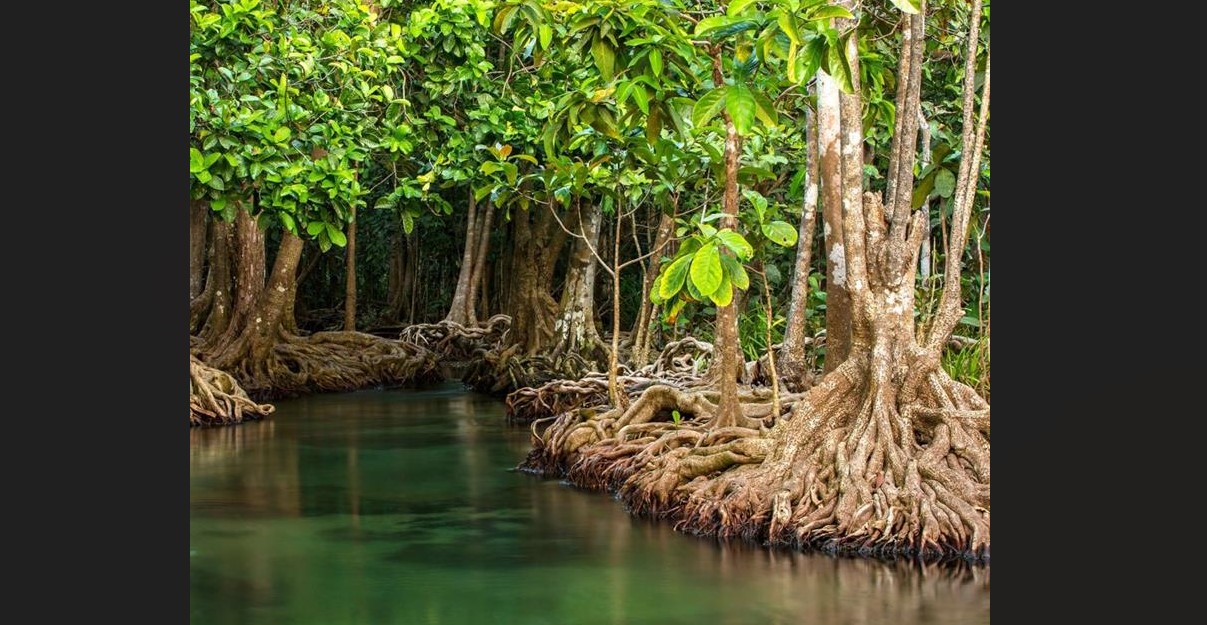
Castries, Saint Lucia – In observance of World Wetlands Day on February 2, 2025, Saint Lucia’s Division of Forest and Land Resources has organized a series of events aimed at highlighting the critical importance of wetlands to the island’s ecosystem and communities. The activities are designed to foster greater public awareness and encourage active participation in wetland conservation efforts.
The week’s events will culminate on February 7 with a beach cleanup at Cul de Sac Beach. This initiative seeks to engage local communities, environmental groups, and volunteers in preserving the natural beauty and ecological function of the island’s coastal areas. By removing debris and pollutants, participants will directly contribute to the health of marine and wetland ecosystems, which are vital for biodiversity and coastal protection.
Earlier in the week, from February 3 to 5, the Division will host educational sessions at the Mankòtè Mangrove, one of Saint Lucia’s two Ramsar-designated Wetlands of International Importance. These sessions will involve primary school students from across the island, providing hands-on learning experiences about the functions and benefits of wetlands. Through guided tours and interactive discussions, students will gain insights into the role of wetlands in supporting wildlife habitats, filtering water, and mitigating the impacts of climate change.

The theme for this year’s World Wetlands Day, “Protecting Wetlands for Our Common Future,” underscores the necessity of collective action to conserve and sustainably manage wetlands. Wetlands in Saint Lucia, such as the Mankòtè Mangrove and Savannes Bay, play a pivotal role in maintaining ecological balance. They serve as nurseries for fish species, support livelihoods through resources like charcoal and honey, and offer natural defenses against coastal erosion and storm surges.
Since acceding to the Ramsar Convention on Wetlands on June 19, 2002, Saint Lucia has demonstrated a commitment to wetland conservation. The designation of Mankòtè Mangrove and Savannes Bay as Ramsar sites highlights their global ecological significance. Mankòtè Mangrove, encompassing 60 hectares in Vieux Fort, is the island’s largest mangrove and supports a diverse array of wildlife. Similarly, the 24.6-hectare Savannes Bay comprises mangrove forests, seagrass beds, and coral reefs, providing critical habitats for species such as the Caribbean spiny lobster (Panulirus argus), which is vital to local fisheries.
The Castries North seat is currently held by Infrastructure Minister Stephenson King, a former prime minister who won the constituency as an Independent candidate in the 2021 general election. Ellis expressed confidence in the UWP’s prospects, stating, “As soon as the general election is called and we win, we will continue to develop Castries North.”
In addition to the candidate announcement, youth leader and former news anchor Joshua Harrow delivered a compelling address at the meeting, advocating for increased investment in the nation’s youth. Harrow highlighted the challenges faced by young people, including outdated education systems and high unemployment rates, which he linked to rising crime levels. He urged for recognition of young leadership and the development of economic plans that allow the youth to aspire beyond mere survival. “Our youth are crying out; their voices echo through our streets, in our schools, and on social media platforms in every single community,” Harrow stated
Harrow’s passionate appeal serves as a rallying cry for unity, determination, and belief in the transformative power of active civic engagement, emphasizing the critical role of youth in driving meaningful change.
As the political landscape intensifies ahead of the forthcoming elections, the UWP’s strategic candidate selections and emphasis on youth involvement signal a concerted effort to galvanize support and address pressing national issues.
The Division of Forest and Land Resources emphasizes that wetlands are integral to Saint Lucia’s environmental health and economic well-being. Beyond their ecological functions, wetlands offer resources like medicinal plants and fish, contributing to food security and traditional practices. The Division advocates for sustainable management practices to ensure that these ecosystems continue to benefit current and future generations.
As part of the World Wetlands Day celebrations, the Division encourages all citizens to participate in the scheduled activities and to adopt environmentally friendly practices in their daily lives. By working together, Saint Lucians can safeguard their precious wetland resources and promote a harmonious balance between development and conservation.